Table of Contents
- Identify Your Interests
- Recognize Your Strengths
- Define Your Career Goals
- Artificial Intelligence
- Data Analytics
- Cybersecurity
- Healthcare
- Renewable Energy
- Digital Marketing
- Technical Skills
- Soft Skills
- Internships
- Freelancing
- Volunteer Work
- Part Time Roles
- Create a Strong LinkedIn Profile
- Showcase Your Work
- Share Industry Insights
- Choosing Based Only on Salary
- Comparing Yourself to Others
- Ignoring Skill Development
- Waiting for the Perfect Opportunity
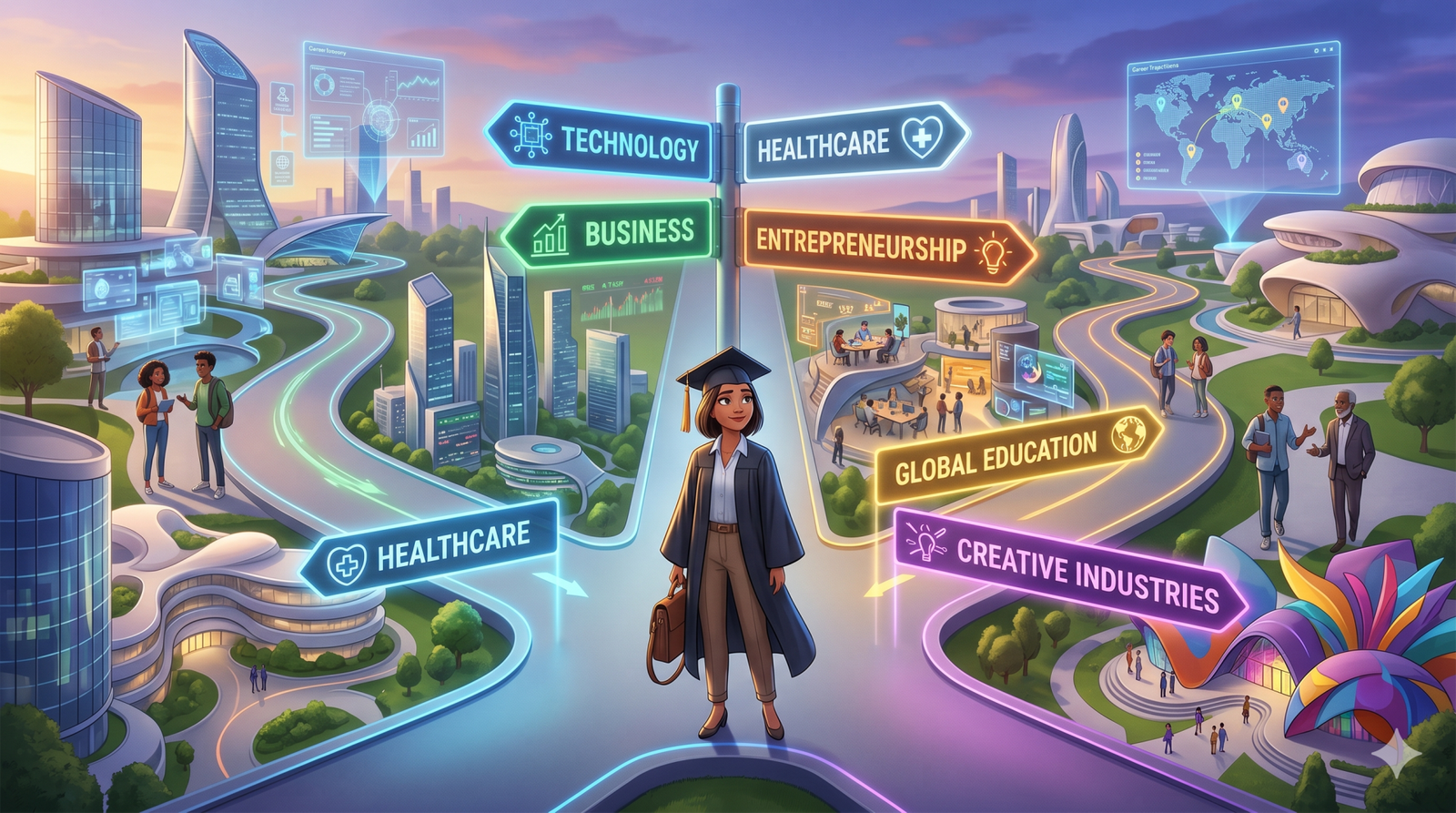
Graduation is one of the most important milestones in a student's life. After years of studying, completing assignments, attending lectures, and preparing for exams, students finally reach a point where a new question appears. What comes next? For many graduates, this question brings excitement. For others, it creates uncertainty and pressure. Family expectations, social comparisons, financial responsibilities, and the fear of making the wrong choice can make career decisions feel overwhelming. The reality is that choosing the right career path is not about finding a perfect job immediately. Instead, it is about understanding yourself, identifying opportunities, developing valuable skills, and making informed decisions that support your long term goals. If you have recently graduated or are approaching graduation, this guide will help you confidently navigate your career journey and make smarter decisions about your future.
Why Career Decisions Feel Difficult After Graduation
Many students assume that graduation will automatically provide clarity about their future. However, real life often works differently. Students commonly face challenges such as: 1. Too many career options. 2. Lack of practical industry exposure. 3. Uncertainty about personal interests. 4. Fear of choosing the wrong field. 5. Pressure from family and society. 6. Limited understanding of industry trends. The good news is that feeling confused after graduation is completely normal. Most successful professionals did not have every detail of their career planned from the beginning. What matters most is taking the first step with awareness and confidence.
Understand Yourself Before Choosing a Career
Before researching industries and job roles, it is important to understand yourself. A career that matches your strengths and interests is often more sustainable than one chosen only because it is popular.
Identify Your Interests
Ask yourself: 1. What subjects did I genuinely enjoy studying? 2. What type of work excites me? 3. Which activities make me lose track of time? 4. What topics do I naturally explore online? Your interests often provide valuable clues about suitable career paths.
Recognize Your Strengths
Every student has unique abilities. Some students are analytical thinkers. Some are creative problem solvers. Others excel in communication, leadership, design, research, or technology. Understanding your strengths helps narrow down career options that fit your natural abilities.
Define Your Career Goals
Think about the lifestyle and future you want to create. Do you want: 1. Financial stability? 2. Global career opportunities? 3. Entrepreneurship? 4. Remote work flexibility? 5. Leadership positions? 6. Work life balance? Your goals influence the type of career that may be right for you.
Explore Career Opportunities Beyond Your Degree
One common misconception is that graduates must work only in fields directly related to their degree. Today's job market is much more flexible. For example: A science graduate may work in digital marketing. An engineering graduate may move into management consulting. A commerce graduate may build a career in data analytics. An arts graduate may become a successful entrepreneur. Employers increasingly value practical skills and adaptability alongside academic qualifications. This creates opportunities for graduates to explore multiple industries.
Research Industries with Strong Future Growth
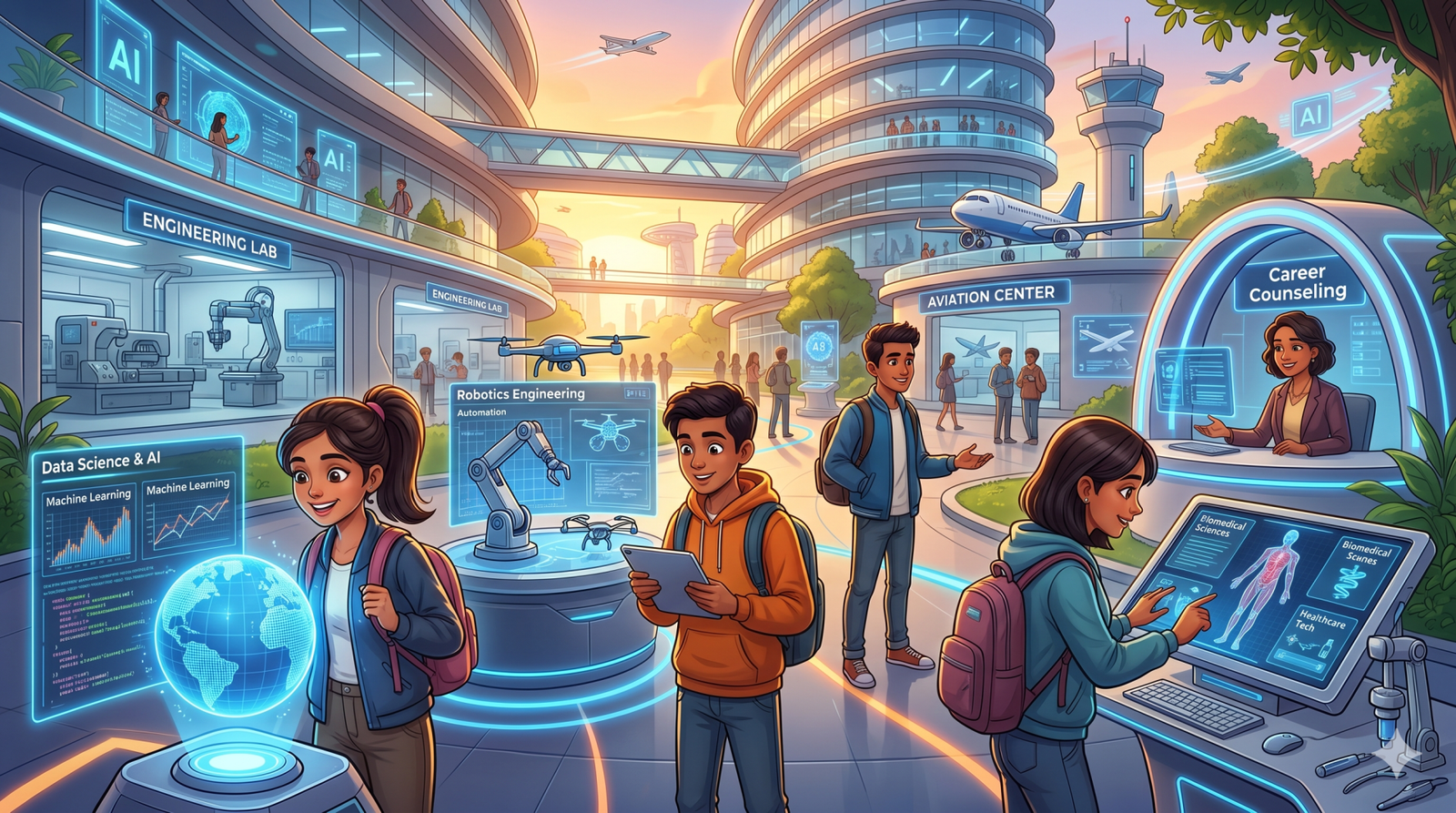
Career planning should consider future demand as well as current opportunities. Some industries are expected to experience significant growth throughout the coming decade.
Artificial Intelligence
AI continues transforming industries including healthcare, finance, education, manufacturing, and marketing.
Data Analytics
Businesses rely on data driven decision making more than ever before.
Cybersecurity
As digital systems expand, demand for security professionals continues growing.
Healthcare
Medical services, healthcare technology, and wellness industries remain strong globally.
Renewable Energy
Sustainability initiatives are creating new career opportunities worldwide.
Digital Marketing
Businesses increasingly depend on digital channels to reach customers and generate revenue. Researching industry trends helps graduates align their careers with future opportunities.
Assess Your Skills Gap
Many graduates discover that employers expect skills not fully covered during academic programs. This does not mean you are unqualified. It simply means additional learning may be necessary.
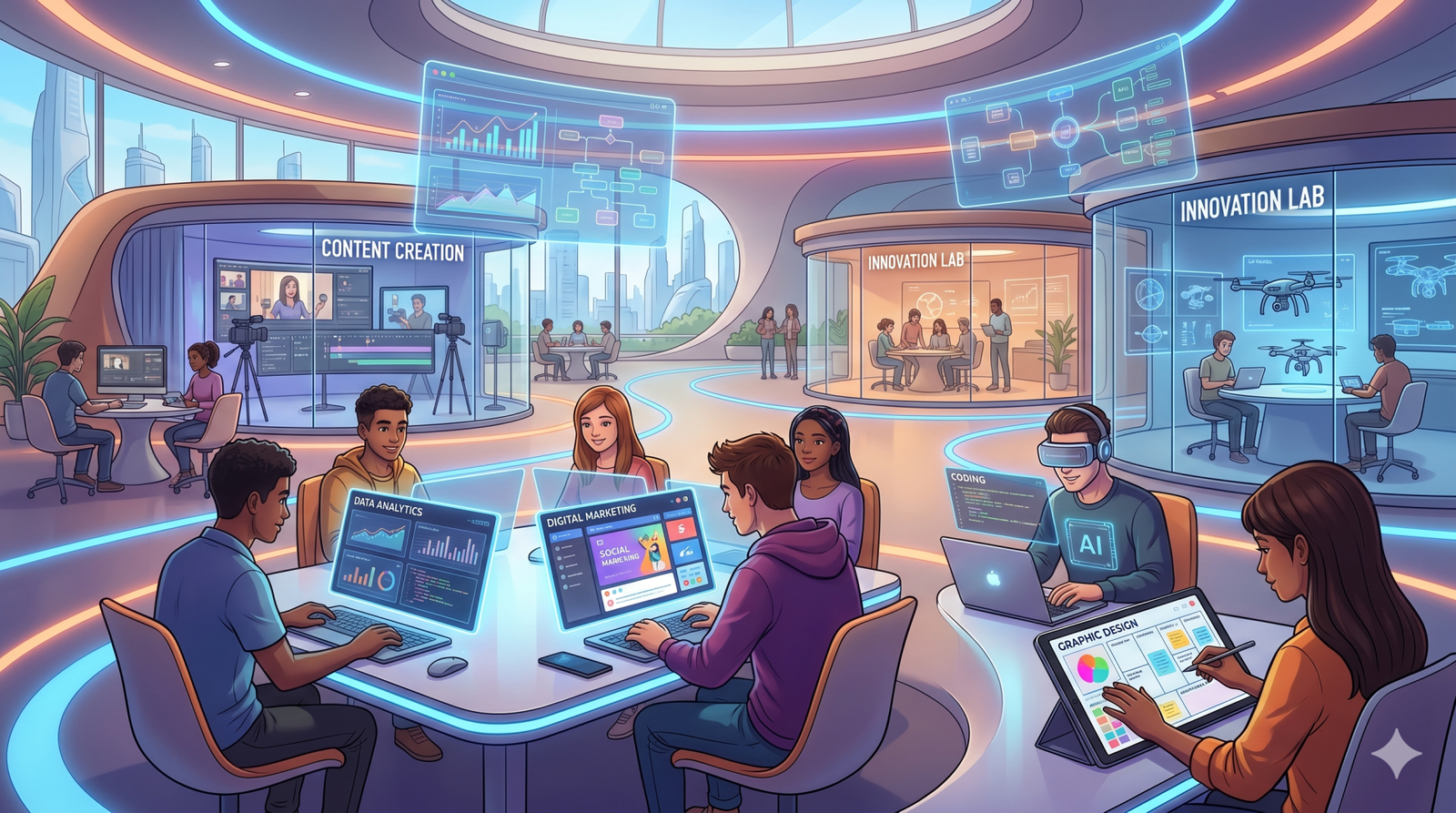
Technical Skills
Examples include: 1. Programming 2. Data Analysis 3. Graphic Design 4. Financial Modeling 5. Cloud Computing
Soft Skills
Examples include: 1. Communication 2. Leadership 3. Problem Solving 4. Teamwork 5. Time Management Graduates who continuously develop both technical and soft skills often progress faster in their careers.
Should You Pursue Higher Education
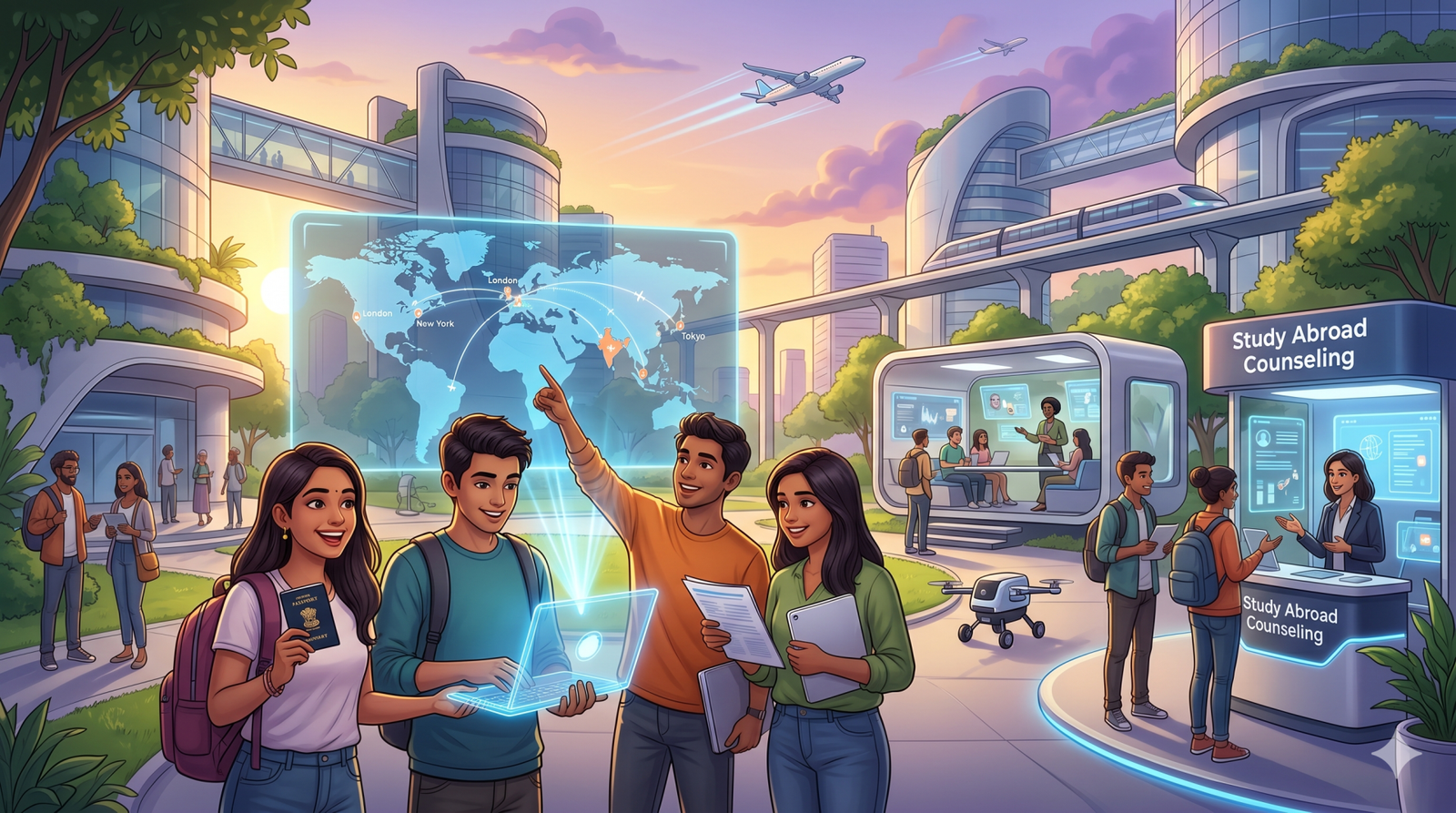
Many students consider postgraduate education immediately after graduation. While advanced education can provide benefits, it is important to evaluate whether it aligns with your goals. Higher education may be beneficial if: 1. Your target profession requires it. 2. You want to specialize in a specific field. 3. You aim to pursue research or academia. 4. The qualification significantly improves career prospects. However, pursuing another degree simply to avoid making a decision may not always be the best approach. Evaluate opportunities carefully before committing to additional education.
Gain Real World Experience Early
Practical experience provides valuable insights that classroom learning cannot fully replicate.
Internships
Internships help students understand workplace expectations and industry realities.
Freelancing
Freelance projects help develop skills while building professional confidence.
Volunteer Work
Volunteering demonstrates initiative and develops transferable skills.
Part Time Roles
Part time jobs can provide professional exposure while exploring different career paths. Real world experience often helps students clarify their interests and career direction.
Build a Professional Personal Brand
In today's digital environment, employers frequently evaluate candidates online before making hiring decisions. A professional online presence can create valuable opportunities.
Create a Strong LinkedIn Profile
Highlight your education, projects, certifications, internships, and achievements.
Showcase Your Work
Build a portfolio that demonstrates practical skills and accomplishments.
Share Industry Insights
Engaging with professional communities increases visibility and networking opportunities. A strong personal brand can differentiate you from other candidates.
Network with Industry Professionals
Many career opportunities come through professional connections rather than public job advertisements. Networking does not mean asking people for jobs. Instead, focus on building genuine professional relationships. Ways to network include: 1. Industry events. 2. Professional associations. 3. Alumni communities. 4. Online networking platforms. 5. Conferences and webinars. Learning from experienced professionals can provide valuable guidance and career insights.
Common Career Mistakes Graduates Should Avoid
Choosing Based Only on Salary
Compensation matters, but long term success often requires genuine interest and engagement.
Comparing Yourself to Others
Every career journey is different. Comparisons often create unnecessary pressure and anxiety.
Ignoring Skill Development
Degrees open doors, but skills drive career growth.
Waiting for the Perfect Opportunity
Many successful careers begin with imperfect opportunities that create valuable experience. Taking action is usually better than waiting indefinitely.
Signs You Are Choosing the Right Career Path
While no career is perfect, certain indicators suggest alignment. You are likely moving in the right direction if: 1. The work feels meaningful. 2. You enjoy learning more about the field. 3. You can envision long term growth. 4. Your strengths are being utilized. 5. The career supports your personal goals. Career satisfaction often comes from alignment between interests, strengths, and opportunities.
How Successful Professionals Build Careers
Many successful individuals did not follow a perfectly planned roadmap. Instead, they: 1. Stayed curious. 2. Continued learning. 3. Adapted to change. 4. Took calculated risks. 5. Built strong relationships. 6. Developed valuable skills consistently. Career success is usually the result of continuous improvement rather than one perfect decision.
The Future of Careers
Technology, automation, and globalization are changing how people work. Future professionals will need: 1. Adaptability. 2. Digital literacy. 3. Critical thinking. 4. Emotional intelligence. 5. Lifelong learning habits. Graduates who embrace change and continuously upgrade their skills will be better positioned for future opportunities.
Conclusion
Choosing the right career path after graduation is one of the most important decisions you will make, but it does not need to be a source of fear. The goal is not to predict every step of your future. The goal is to make informed decisions, develop valuable skills, gain practical experience, and remain open to growth opportunities. Take time to understand your interests, evaluate industry trends, strengthen your skills, and explore different possibilities. Every experience contributes to your professional development. Remember that careers are rarely built overnight. They evolve through learning, experimentation, persistence, and continuous improvement. The most successful graduates are not necessarily the ones who have every answer immediately. They are the ones who keep moving forward, learning, and adapting as opportunities arise. Your graduation is not the end of your journey. It is the beginning of a new chapter filled with possibilities, growth, and achievement.
No comments yet. Be the first to share your thoughts!